Category: business automation

  • Work Smarter, Not Harder: Practical Strategies for Better Work-Life Balance

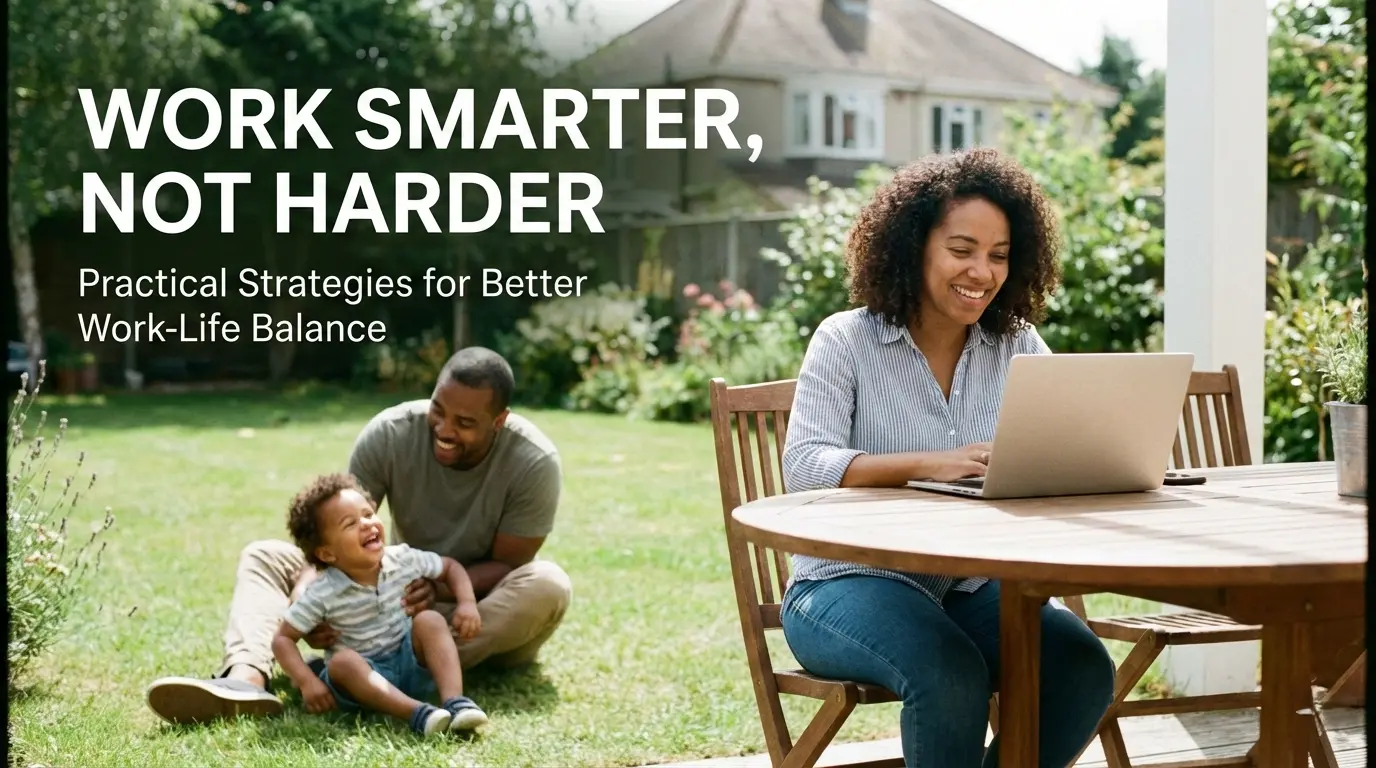
    Work Smarter, Not Harder: Practical Strategies for Better Work-Life Balance

    You are in this life to live. However, in order to achieve the kind of life that you perceive as good, then you have to work for it.

    Many times, we get so consumed in working to chase the desired life to a point we forget that our primary goal should be living.

    It is for this reason that work-life balance is crucial.

    So, what exactly is work-life balance?

    Work-Life Balance Explained

    Work-life balance can be defined as how you divide your time and energy between work and the parts of life that matter outside of it, such as family, relationships, rest, health, and personal interests.

    In simple terms, it is the space between earning a living and actually living your life.

    When work takes up more time, focus, or emotional energy than it should, less of it is left for your responsibilities, passions, and the people you care about. Over time, this imbalance affects not just your schedule, but also how you feel, think, and relate to others.

    Most people want to achieve a healthier balance between their professional life and their personal life. In reality, this is not always easy. Sometimes, a demanding job provides financial stability or security for a family. Other times, that same job slowly drains your mental health, leaving you exhausted and disconnected in your personal relationships.

    Work-life balance, therefore, is not about choosing work or life. It is about finding a way for both to coexist without one constantly erasing the other.

    Why Achieving Work-Life Balance Feels Impossible

    For most people, the problem is not a lack of discipline or poor time management.

    It is volume.

    More emails, more messages, more deadlines, and more tasks that repeat themselves every single day. Work has quietly expanded into evenings, weekends, and moments that were once reserved for rest.

    As long as work continues to demand constant attention, achieving balance becomes less about choice and more about survival.

    This is where automation becomes relevant.

    Importance of work-life balance
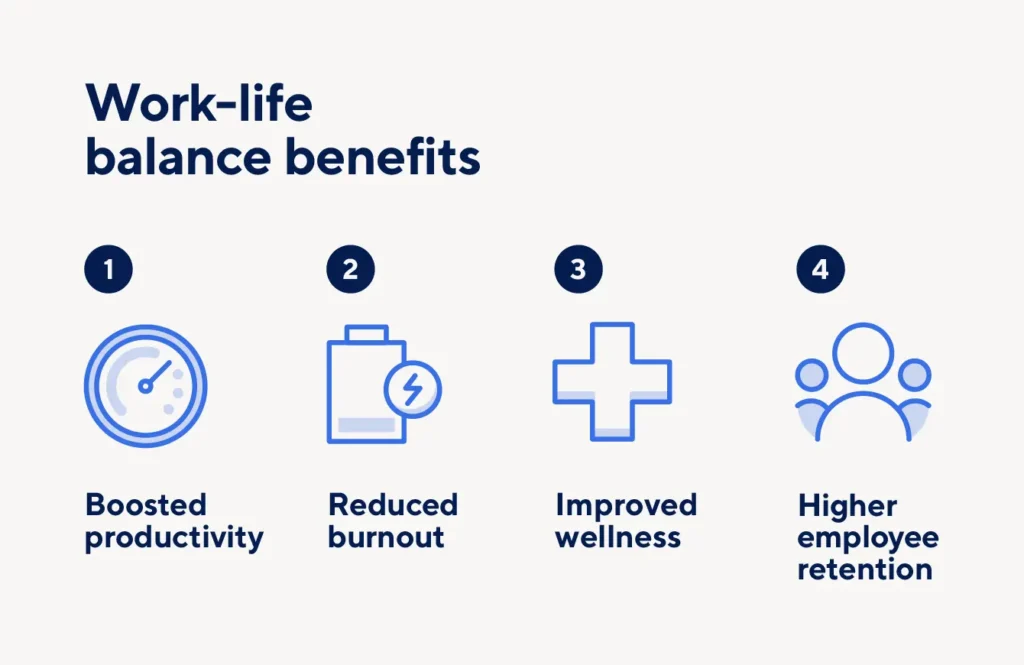
    benefits of work-life balance

    Improving your work-life balance can improve your overall well-being, including your physical, emotional, and mental health.

    Research from the Government Accountability Office (GAO) reveals that working long hours can lead to such serious health issues as stroke, coronary heart disease, type 2 diabetes, and increased alcohol consumption, although more research is necessary to determine the precise link between long work hours and negative health outcomes.

    Unfortunately, as these conditions arise, they can also exacerbate our work-life issues, leading to burnout and other negative repercussions.

    While employers and employees might associate long working hours with increased productivity, many researchers say otherwise. Studies have found that after workers hit a certain number of hours, their cognitive abilities decline. This decrease in mental acuity, focus, and decision-making leads to a decline in effectiveness. Achieving a healthy work-life balance can reduce stress and increase overall productivity.

    How Automation Can Improve Your Work-Life Balance

    Automation is the use of tools and systems to handle repetitive, time-consuming tasks that do not require constant human decision-making.

    Instead of spending hours doing the same work manually, those tasks are delegated to software or simple systems that run quietly in the background.

    The goal of automation is not laziness or avoidance of work. It is efficiency.

    By reducing the time and mental energy spent on routine tasks, automation creates space. Space to rest. Space to think clearly. Space to focus on work that actually matters, and life that exists outside of it. For small business owners, insights from automation for SMEs show how even simple systems can save time, reduce repetitive work, and give more breathing room in a busy day.

    When fewer hours are wasted on repetitive work, it becomes easier to log off without guilt. It becomes easier to be present with family, pursue personal interests, or simply do nothing without feeling behind.

    In this way, automation does not replace work. It restores balance.

    Why Automation Is No Longer Optional in Achieving Work-Life Balance

    Without automation, work tends to spill into personal time.

    With automation, boundaries become easier to maintain.

    The difference is not effort. It is structure.

    People who use automation are not necessarily working less. They are working smarter, with fewer interruptions and less friction, allowing work to stay where it belongs.

    Real-Life Examples of Automation at Work

    Automation often sounds like something complex or expensive. In reality, it usually starts with small changes that remove repetitive work from your day.

    For employees, this can be as simple as automating routine emails or reports. Instead of manually sending the same updates every week, systems can generate and send them automatically. The work still gets done, but your time and attention are freed for tasks that actually require thinking.

    Scheduling is another area where automation makes a noticeable difference. Calendar tools that automatically set meetings, send reminders, and follow up reduce back-and-forth communication. Fewer messages mean fewer interruptions, and fewer interruptions make it easier to focus during work hours and disconnect afterward.

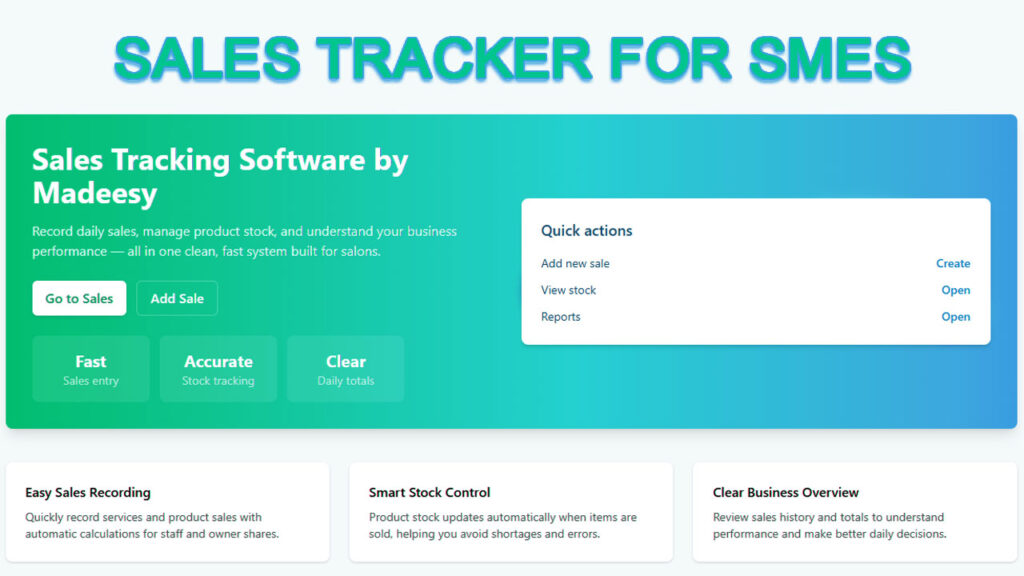
    For SME owners, automation often plays an even bigger role. Daily sales tracking, stock updates, and performance summaries are tasks that quietly consume evenings when handled manually. Using a simple sales tracking system like SalesTracker by Madeesy allows sales and inventory to be recorded automatically, giving business owners a clear view of performance without staying late to reconcile numbers. The work continues, even when you step away.

    Even small utilities matter. Something as basic as converting documents or images for work can interrupt focus more than we realize. Tools like File Converter by Madeesy, which handle file conversions instantly without extra steps, remove friction from everyday tasks. These small time savings add up over weeks and months.

    The impact of automation is rarely dramatic overnight. Instead, it shows up gradually. Ten minutes saved here, an hour there, fewer late nights, fewer unfinished personal plans. Over time, these small gains create real space for rest, relationships, and balance.

    Automation and Mental Health

    One of the least talked about benefits of automation is its impact on mental health.

    When fewer tasks demand constant attention, the mind becomes quieter. Automation reduces cognitive load by handling routine work that would otherwise sit in the back of your head, waiting to be done or remembered.

    With fewer follow-ups, reminders, and small decisions pulling at your attention, it becomes easier to stay present during work hours. More importantly, it becomes easier to mentally switch off once the workday ends.

    For many people, stress does not come from hard work. It comes from unfinished work.

    Automation helps close those mental loops by ensuring tasks continue running even when you step away. Over time, this creates clearer boundaries between work and rest. Work stays at work. Rest feels like rest, not a pause filled with guilt.

    How to Start Without Overcomplicating It

    Getting started with automation does not require a complete overhaul of how you work.

    The simplest approach is to identify one repetitive task that drains your time or energy and start there. It could be reporting, scheduling, follow-ups, sales tracking, or document handling.

    There is no need to automate everything at once. Trying to do too much too quickly often creates more stress, not less.

    The goal is not perfection. It is relief.

    By building systems slowly, you give yourself time to adjust. Each small improvement creates momentum, and over time, these systems begin to support your work instead of quietly consuming your life.

    Closing Reflection: Work Should Support Life

    You are in this life to live.

    Work is important, but it is not the destination. It is the means through which you build stability, purpose, and opportunity.

    When work begins to consume everything else, balance is lost. Automation offers a way to restore that balance, not by working less, but by working with intention.

    By removing unnecessary effort, you create room for what matters now. Because life does not start later. It is happening already.
  • Why Every SME Needs a Sales Tracking Software

    Why Every SME Needs a Sales Tracking Software

    Apple, Microsoft, Starbucks, Toyota, and Alibaba all started as small and medium-sized enterprises. In their early years, they were not global powerhouses with unlimited capital or massive teams.

    On the contrary, they were small groups making deliberate decisions, learning from their numbers, and adjusting quickly to what the market was telling them.

    What stands out when you examine credible company histories, founder interviews, and business case studies, you will come to the realization that discipline beats almost everything including luck, strategy and capital.

    In the contemporary business environment, one recurring discipline across growing SMEs is structured sales tracking.

    And take note, we not talking of just knowing total revenue, but rather, understanding how sales happen, where they come from, and why some efforts work well compared to others and why some totally fail.

    Many small businesses underestimate this. Sales tracking is often reduced to a daily total or a monthly figure. Many businesses people within the SME category do not fully exploit the potential of data.

    The truth is, businesses that grow consistently treat sales data as feedback.

    For them, however small a business can be, lets say a salon, fruit vendor or even taxi business, data informs decisions, exposes inefficiencies, and guides expansion. That is where sales tracking software becomes essential and not optional especially in 2026 and the years to follow when AI has made things very easy.

    The Significance of Sales Tracking for Small Businesses

    SMEs operate with limited margins for error. This is different when comparing to large corporations. For small to medium businesses, they are not at the mercy of absorbing repeated mistakes, wasted effort, or poor planning.

    Every decision matters, be it pricing, inventory, staffing, and marketing carries weight.

    Without structured sales tracking, business owners often rely on memory, assumptions, or scattered records which is very risky.

    Using such backward methods makes it difficult to identify trends, predict revenue, or understand customer behavior.

    What you ought to know is that over time, decisions become reactive rather than intentional.

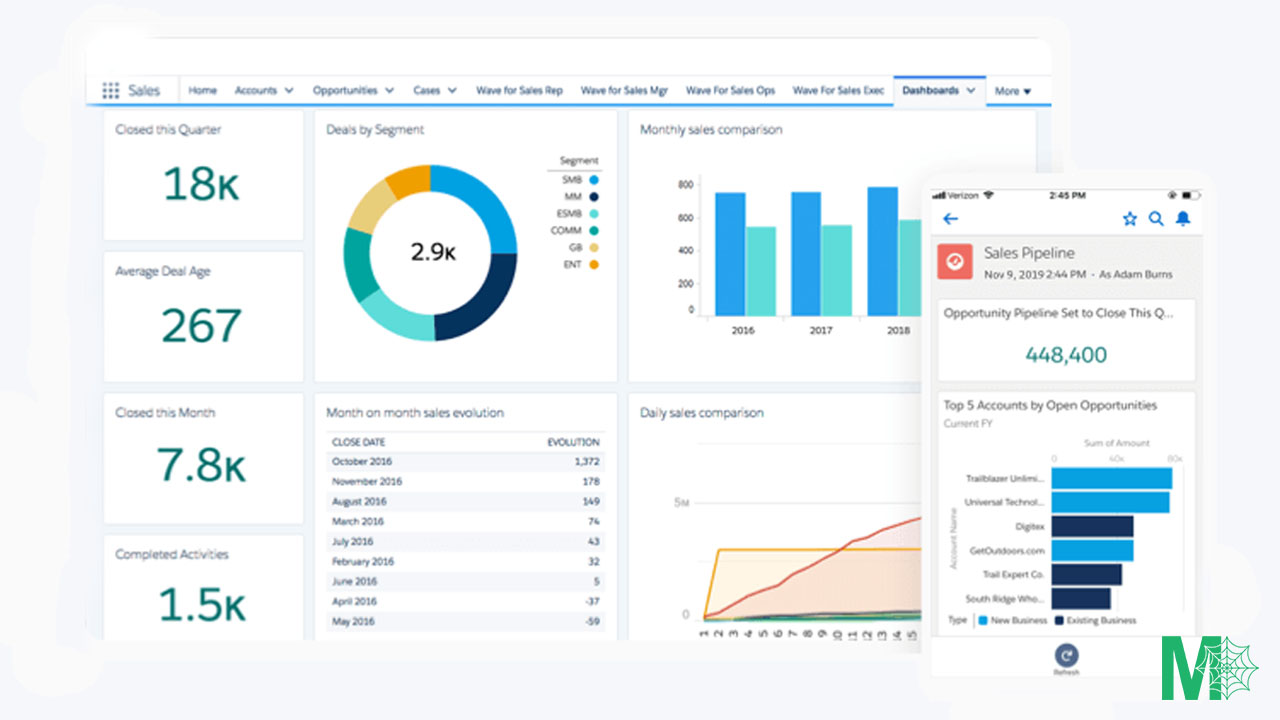
    Sales tracking software introduces clarity and structure into daily operations. It replaces guesswork with visible data, allowing business owners to make decisions based on what is actually happening, not what they think is happening. The section below outlines nine advantages of using a sales tracking software for your small business.

    sales trackers for smes by madeesy

    1. Sales Tracking as a Decision-Making Tool

    A sales tracker is not simply a record-keeping system. Used correctly, it becomes a decision-making tool. This distinction matters, especially for small businesses.

    Instead of asking, “How much did we sell last month?” the better questions become:

    • Which products or services are driving revenue?
    • Where are customers dropping off in the sales process?
    • Which days, channels, or staff perform best?
    • What patterns repeat over time?

    These are questions that spreadsheets and notebooks struggle to answer consistently.

    2. Clear Sales Visibility and Reliable Forecasting

    One of the biggest challenges SMEs face is uncertainty. When revenue feels unpredictable, planning becomes stressful and often inaccurate.

    Sales tracking software provides visibility into the sales pipeline. Business owners can see what stage each sale is in, whether it is a call, a meeting, a walk-in customer, or a completed transaction. This makes it possible to forecast revenue with more confidence.

    Rather than reacting to surprises, businesses can anticipate slow periods, prepare for high-demand seasons, and make adjustments early. Over time, this stability supports healthier cash flow and smarter planning.

    3. Deeper Understanding of Customers and Buying Behavior

    Sales tracking goes beyond totals. It reveals patterns in customer behavior.

    Over time, sales data shows:

    • Who your repeat customers are
    • What they buy most often
    • Which products perform well and which do not
    • How pricing and timing affect conversions

    This insight allows small businesses to refine their offerings, improve pricing strategies, and create better customer experiences. When customers feel understood, trust grows, and repeat business becomes more likely.

    4. Improved Efficiency and Sales Productivity

    Manual sales tracking takes time and often leads to incomplete or inaccurate records. Important details get lost, and reporting becomes a chore.

    Sales tracking software automates this process. Transactions are recorded consistently, reports are generated automatically, and data is stored in one place. This reduces administrative work and frees up time for activities that actually generate revenue.

    Clear targets, visible progress, and structured workflows naturally improve accountability and productivity, even in very small teams.

    5. Real-Time Insight and Faster Decisions

    Waiting until the end of the month to review sales performance often means missed opportunities. By the time issues are visible, they have already affected revenue.

    Sales tracking software provides real-time insight. Business owners can see performance as it happens and respond quickly. If a product is underperforming, adjustments can be made immediately. If demand increases, inventory or staffing decisions can follow without delay.

    Faster access to accurate information leads to faster, better decisions.

    6. Better Team Alignment and Transparency

    For SMEs with employees or sales representatives, centralized sales tracking creates transparency. Everyone works from the same data, reducing confusion and miscommunication.

    Managers can monitor performance fairly, identify strengths and gaps, and support team members where needed. For service-based businesses, this also simplifies commission calculations and performance reviews, building trust and motivation within the team.

    7. Smarter Use of Resources and Lower Costs

    Sales data highlights what works and what does not. When business owners understand which products, services, or customers generate the most value, resource allocation becomes clearer.

    Time, money, and effort can be focused on high-performing areas while unnecessary costs are reduced. This improves profitability without adding complexity to operations.

    8. Sustainable Growth Through Better Conversions

    Sales tracking makes it easier to identify where potential customers drop off in the sales process. Even small improvements in conversion rates can have a meaningful impact on revenue.

    More importantly, growth becomes intentional. Instead of expanding blindly, businesses grow based on real performance data and proven demand.

    9. Moving Beyond Books and Spreadsheets

    Many small businesses still rely on notebooks or basic spreadsheets. While this may work in the earliest stages, it limits visibility and increases the risk of errors.

    Modern sales tracking tools automatically visualize data, highlight trends, and reduce manual effort. Most are affordable and accessible, especially when compared to the cost of missed opportunities, poor planning, and slow growth.

    Some platforms, such as Madeesy sales tracking , offer structured ways to view daily, weekly, and monthly sales performance in one place. These tools are best understood not as software purchases, but as systems that support better decision-making.

    Final Thoughts

    Sales tracking is not about chasing numbers. It is about understanding how your business works.

    SMEs that adopt sales tracking software gain clarity, control, and confidence. They make fewer assumptions, respond faster to change, and build growth on real insight rather than instinct alone.

    For small businesses with long-term ambitions, sales tracking is not an upgrade. It is a foundation.

  • How Automation Helps Small Businesses Save Time & Money in 2026

    How Automation Helps Small Businesses Save Time & Money in 2026

    In 2026, competition in the business landscape is increasing faster than ever, largely driven by artificial intelligence and automation. Tasks that once took hours can now be done in minutes, and businesses that adapt quickly are the ones that are most likely going to survive and grow.

    For small and medium enterprises, speed is no longer optional. Managing customer relationships, tracking finances, and handling daily operations is becoming more demanding, especially for businesses that still rely on manual processes.

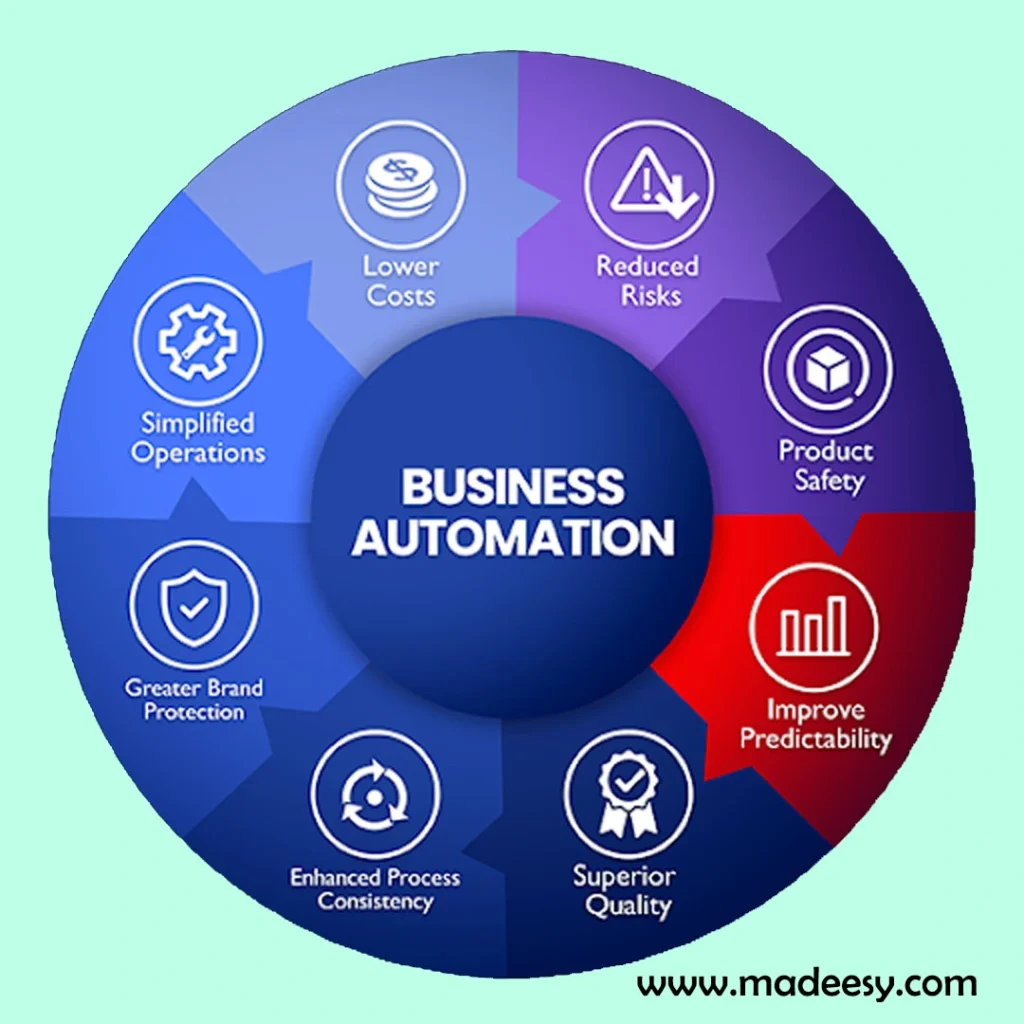
    This is why automation has become a game changer. It’s no longer reserved for large corporations. Small businesses that embrace automation can save time, reduce costs, and compete effectively while scaling their operations.

    What is Business Automation?

    Business automation is the use technology to perform repetitive tasks and processes with minimal human intervention.

    According to research sourced from Expensify, business automation can range from simple email scheduling to complex workflow management across multiple platforms.

    The goal for using automation systems in any business is usually to avoid or eliminate repetitive tasks so that you or your team can focus on strategic activities that actually drive growth.

    In the following sections, we will explore the advantages that automation has on business, and especially for small to medium enterprises (SMEs).

    How Automation Compoundly Saves Time

    When you here about business automation, the first thing that comes to mind is technology and closely follows time saving.

    When you employ automation in your business, however small, you are guaranteed that you will save a lot of time and well, time is money so you get to save money too.

    Saving time is the most important advantage that comes with automation. A study conducted by Rippling shows that the average entrepreneur dedicates up to 16 hours weekly to repetitive processes.

    Question is, why spend two full working days doing the same thing that you could just automate and spend those 48 hours doing something else.

    It’s time to start automating and focusing your energy on developing new products, building customer relationships, and planning for growth, because sooner or later, your business will need scaling.

    Consider social media management alone. It’s okay to post your own Instagram posts, but that does not apply for your business, when you running a business, the business does not care whether you are bored, sick or busy, you need your content posted at scheduled intervals daily.

    It is for this reason that it’s important to integrate automation in running SMEs.

    Companies implementing automation tools for posting content and managing ads can save more than six hours per week, according to research from Unmudl. That’s over 300 hours annually that your team can redirect toward strategy and innovation.

    A Practical Automation Example for Service-Based Businesses

    A good example of simple automation is sales tracking, especially for service-based businesses like salons and nail studios. We’ve built a simple sales tracker that we’re offering completely free.

    Instead of writing daily sales in notebooks, the tool lets you record everything digitally in one place.

    It automatically calculates your profit, tracks how many clients you’ve served, monitors expenses, shows remaining stock, and gives you a clear picture of how the business is actually performing.

    It’s designed to save time, reduce errors, and help you understand your numbers without needing accounting skills.

    You can try the sales tracker today, and if it helps your business, feel free to share your feedback with us or with other business owners who might benefit from it.

    Cost Reduction and Financial Impact

    The financial benefits of automation are compelling. According to MHC Automation, small businesses that make the switch to automation save money in the long run.

    From their study, automation is a game change in any operations of a business whether it’s automating accounting, employee onboarding, or inventory management.

    Yes, it’s true that there is an upfront cost that will be needed for you to implement these automation tools, however, since you are a business owner then you clearly know that for you to improve your business you have to spend also.

    What you should know is that the amount of money you will use integrating these automation tools will be nothing compared to the return on investment that you are going to get.

    In a study conducted by the Data Science Central, it was discovered that small businesses lose over $600 billion each year due to human error.

    Their findings revealed that automation dramatically reduces these costly mistakes. For example, automated invoice processing ensures accuracy that manual data entry simply can’t match.

    To put this in context, companies like Uber have saved $170,000 in employee hours by automating expense tracking, as reported by Systems and Teams.

    The scale of savings depends on your investment level. According to research from North Carolina Central University, companies with significant automation investments averaged a 17% reduction in costs versus only 7% for those with smaller investments.

    How Automation Improves Accuracy and Consistency

    Manual processes are prone to errors. When employees handle repetitive tasks, quality can vary based on who’s doing the work and how they’re feeling that day.

    Automation ensures tasks are done the same way, every time, by every person. This consistency is crucial for maintaining standards and building customer trust.

    Bill.com reports that automation improves accuracy and helps businesses stay current with evolving regulations.

    Financial automation software uses internal controls to assign specific roles and permissions, creating a clear separation of duties that protects your business from fraud and compliance issues.

    Empowering Your Team with Automation

    Contrary to concerns about job displacement, automation actually makes employees happier.

    According to research from PartnerStack, 89% of automation users feel more satisfied with their jobs, and 84% feel more satisfied with their company.

    This is because automation eliminates the mind-numbing, repetitive work and frees people to focus on tasks that require creativity and critical thinking.

    When your accounting team isn’t buried in data entry, they can focus on financial analysis.

    When your sales team isn’t manually updating spreadsheets, they can spend time building relationships with prospects. This shift in focus leads to higher engagement and better results.

    Competitive Advantage

    Small businesses often lack the resources of large corporations. But automation levels the playing field. According to ActiveCampaign’s research, 88% of small companies say automation enables them to compete with big businesses. Automation is no longer optional—it’s a competitive necessity.

    The statistics back this up. Nearly 80% of top-performing companies have used marketing automation for more than two years, according to research firm Gleanster.

    Businesses that adopt automation early gain a significant advantage over competitors still relying on manual processes.

    Scaling Without Proportional Cost Increases

    One of automation’s most powerful features is its scalability. As your business grows, you can expand your automation without proportional increases in costs.

    Impact reports that this is a massive benefit, allowing businesses to be as agile as possible by quickly and efficiently scaling up or down depending on seasonal demands or consistent growth.

    This scalability means you’ll never outgrow your automation solution, and you won’t be forced to pay for software capacity you don’t need. Your automation grows with you.

    Getting Started with Automation

    The beauty of modern automation is that you don’t need a massive tech stack or huge budget to begin.

    Good news is that most of these tools have free tier which often enough for small businesses, however, after trying and seeing the benefits, it will be up to you now to consider upgrading for a paid version.

    Some of the reputable automation tools are Zapier, HubSpot, QuickBooks, and Mailchimp.

    All these offer affordable solutions designed specifically for small businesses and they have free tiers or trial periods that let you test their effectiveness and efficiency before committing for paid version.

    The key is to start small. Focus on one or two time-consuming tasks, choose a simple tool, and automate that. Small changes lead to big results. As you see success, you can expand your automation efforts to other areas of your business.

    Let’s Wrap This Up

    Summing up, automation is no longer a luxury but rather a strategic necessity for modern small businesses.

    With automation, the time and money you get to save, improved accuracy and competitive advantages are too significant to ignore especially in 2026 as technology continues to grow rapidly.

    Whether you’re managing a growing team or running a solo operation, the right automation tools can transform how you work, freeing you to focus on what truly matters which is growing your business and delighting your customers.